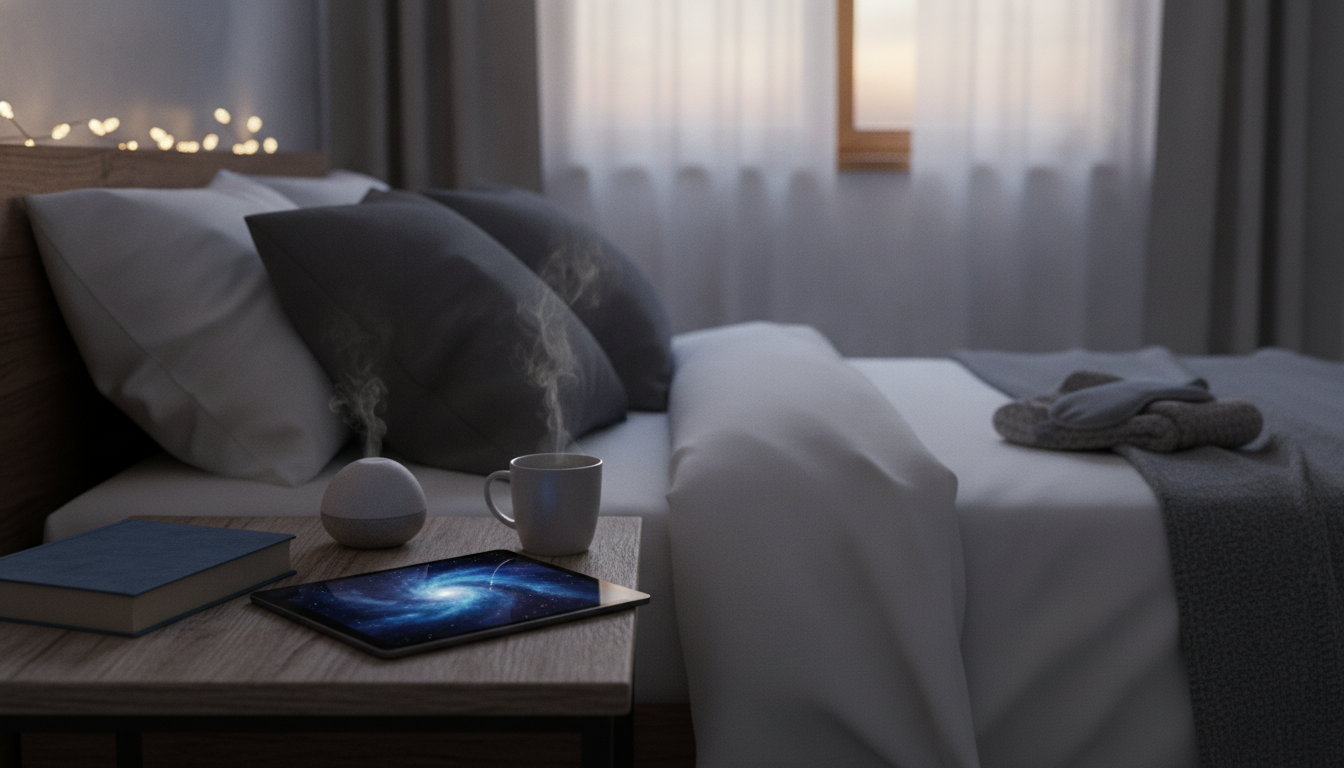
Restorative sleep is less about luck and more about patterns: light, temperature, timing, stress load, and habits that either support or disrupt deep sleep. When those pieces line up, sleep tends to feel smoother—fewer long stretches of tossing and turning, fewer middle-of-the-night wake-ups, and better morning energy. Below is a practical breakdown of what deep sleep does, what commonly blocks it, and how to build an evening-to-morning routine that makes high-quality sleep more consistent—plus a simple way to track what’s working without getting stuck in the numbers.
Deep sleep (often called slow-wave sleep) is a core recovery stage. It supports physical repair processes—tissue recovery, immune function, and energy regulation—so you can wake up with more “body readiness” instead of that heavy, run-down feeling.
Deep sleep is also part of a healthy sleep architecture across the whole night. Earlier hours tend to include more deep sleep, while later hours skew toward more REM sleep, which supports learning, mood processing, and memory. The goal isn’t to “hack” one stage—it’s to protect the overall flow of the night.
Feeling refreshed usually reflects both duration and continuity. Even if total time in bed looks decent, frequent awakenings can chip away at restorative sleep. For many people, the fastest improvements come from reducing disruptions rather than forcing an earlier bedtime.
Big swings in bedtime and wake time can dull sleep pressure and shift circadian timing. The result can be a tired-but-wired feeling at bedtime, plus groggier mornings—even after “sleeping in.”
Bright light (especially cool-toned overhead lighting and phone glare) can delay melatonin timing and make sleep lighter and more fragmented. Even if you fall asleep, your night may feel choppier.
Late caffeine can lengthen the time it takes to fall asleep and reduce sleep depth in sensitive sleepers. Alcohol may feel sedating at first, but it commonly increases wake-ups and lowers sleep quality in the second half of the night.
A nervous system that stays “on” makes it harder to transition into deeper stages and stay asleep. The mind’s habit of problem-solving at night can become a learned trigger: bed equals thinking.
Warm rooms, noise spikes, and an uncomfortable sleep surface can cause micro-awakenings you may not fully remember—but your morning energy will.
Start by choosing a consistent wake time. Stabilize it for 1–2 weeks before making big bedtime changes. A steady wake time strengthens circadian rhythm and builds reliable sleep pressure by night.
Then create a 60–90 minute wind-down window. Think of it as a runway: dimmer lighting, lower stimulation, and calmer activities that help your body predict what comes next. If rumination is a problem, try a “brain dump” note: write unfinished tasks and one next step for each. This reduces the feeling that you must keep the task in working memory while trying to sleep.
Finally, protect the bedroom environment: cool, dark, and quiet. Consider blackout curtains, a fan or white noise, and placing your phone on silent outside arm’s reach to limit late-night checking.
| Time window | Helpful actions | Avoid |
|---|---|---|
| 90–60 minutes | Dim lights, warm shower, light stretching, prep tomorrow (clothes/bag) | Heavy meals, intense exercise, work email |
| 60–30 minutes | Journaling/brain dump, calm reading, breathing practice | Scrolling, news, heated debates, bright overhead lighting |
| 30–0 minutes | Bedroom cool-down, brief relaxation audio, gratitude list | Alcohol “nightcap”, clock-watching, problem-solving |
For more foundational sleep guidance and health context, see resources from the National Heart, Lung, and Blood Institute and the CDC’s sleep hub.
| What to note | How to rate | Why it matters |
|---|---|---|
| Time to fall asleep | Minutes (estimate) | Long sleep onset can signal timing, stress, or stimulant effects |
| Night awakenings | Count (estimate) | Frequent wake-ups reduce continuity and restorative feel |
| Morning energy | 1–10 score | Captures real-world outcome beyond sleep app numbers |
If you prefer a structured, step-by-step system (rather than piecing together tips), Sleep Deep: Unlock the Secrets to Restorative, Energizing Slumber (Digital Download) is designed as a practical reference for routines, environment tweaks, and troubleshooting. It pairs well with the simple two-week tracker above so you can test changes and keep what actually improves your mornings.
For travel or bright environments, a soft scarf can also be a simple comfort add-on—useful as a light neck layer in cooler rooms or as an improvised light blocker during transit. Consider the Gold Glitter Scarf as an easy packable option.
Some changes (consistent wake time, morning light, caffeine timing) can help within a few days, but deeper improvements usually take 2–4 weeks of consistency. Track trends across weeks rather than judging a single night.
Alcohol may shorten how long it takes to fall asleep, but it often fragments sleep later in the night and reduces overall sleep quality. If you drink, try keeping it earlier, smaller, and paired with a stronger wind-down routine.
Many people sleep best around 60–67°F (15.5–19.5°C), but comfort varies. If you can’t change the thermostat much, try breathable bedding, a fan, or lighter sleepwear to reduce overheating.







Leave a comment