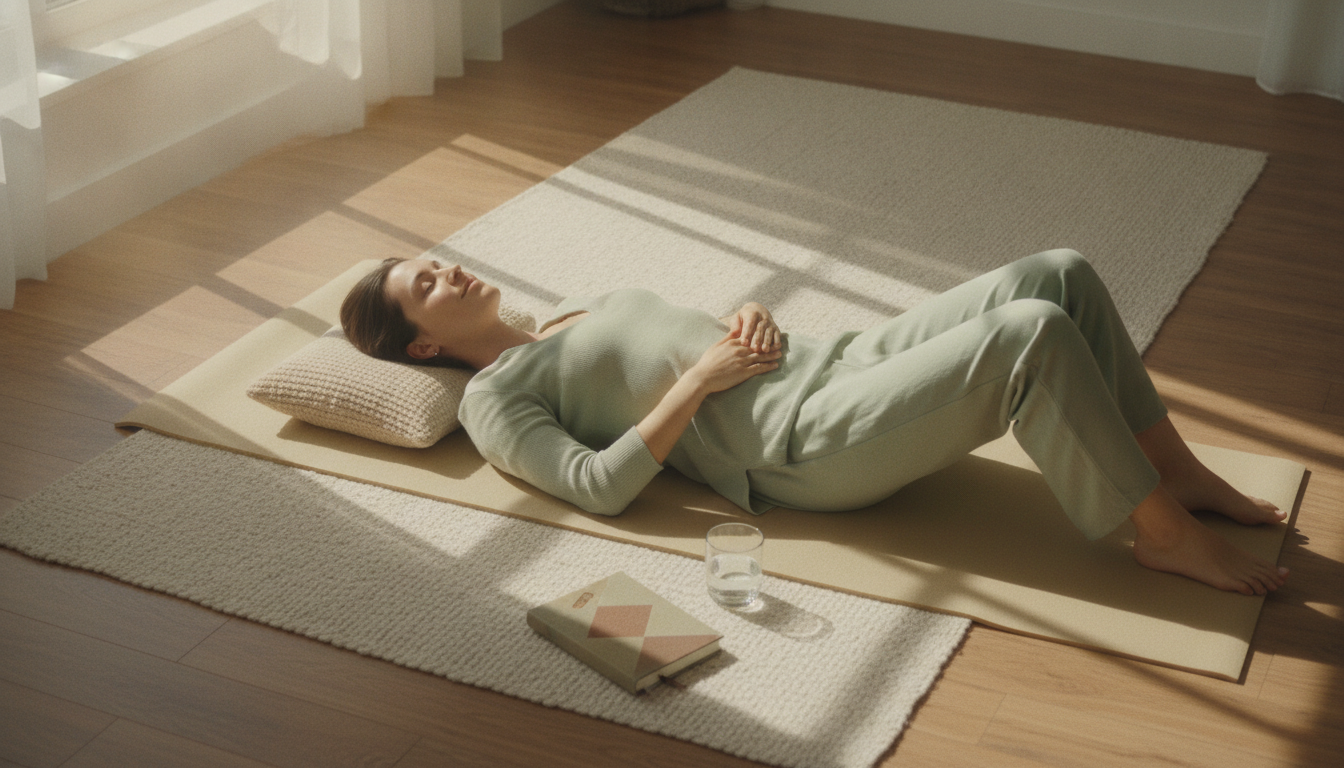
Tension can build quietly—jaw clenching, tight shoulders, shallow breathing, restless legs—until the body feels stuck in “on” mode. A structured relaxation routine helps by turning vague self-care goals into small, repeatable actions. This guide explains how to use a body relaxation checklist to release muscle tension, lower stress arousal, and build a realistic wellness rhythm that fits busy days.
When stress is high, the hardest part is often deciding what to do first. A checklist turns “relax” into concrete steps you can follow even when focus is low.
Many of these steps align with widely used relaxation methods like progressive muscle relaxation (PMR) and evidence-based breathing and relaxation practices shared by the American Psychological Association.
The best routine is the one you’ll actually repeat. Keep it flexible so it fits both packed weekdays and slower weekends.
| Moment | Time | Body focus | Actions to check off |
|---|---|---|---|
| Morning reset | 3–7 min | Breath + posture | Hydrate; 60–90 sec slow breathing; shoulder rolls; jaw unclench cue |
| Midday release | 5–10 min | Neck/hips/legs | Short walk; hip opener or seated twist; hand and wrist stretch; slow exhale focus |
| After-work downshift | 7–15 min | Whole-body tension scan | Body scan; gentle mobility; warm drink; reduce bright light; phone-free pause |
| Evening unwind | 10–20 min | Nervous system settling | Longer breathing (4–6 breaths/min); legs-up-the-wall; light stretching; calming music |
If you want one reliable sequence you can run anytime, use this order. It moves from “signal safety” to “release tension” to “stay calm long enough for the body to believe it.”
For additional background on relaxation methods and when to use them, the National Center for Complementary and Integrative Health provides a clear overview.
Consistency usually beats intensity. The goal is to interrupt tension often enough that it doesn’t “set” as your default posture and breath pattern.
A structured action list turns stress relief into a repeatable routine with clear steps and quick wins. If you want a simple tool you can check off daily, start here: The Ultimate Body Relaxation Action Checklist – Digital Download for Stress Relief, Body Relax Guide, and Wellness Routine.
To make the “sensory downshift” feel more comforting, adding a cozy layer can help—especially during the after-work transition. A lightweight wrap like the Gold Glitter Scarf can be an easy cue: put it on, dim the lights, and begin your breathing and shoulder-release steps.
A quick reset can help in 1–5 minutes, especially if you focus on a longer exhale and dropping the shoulders. Many people notice more obvious softening in 10–15 minutes, while 20–30 minutes tends to support deeper recovery when your body feels “stuck” in tension. Consistency matters more than doing a long session once in a while.
Yes—combine a posture reset (feet grounded, ribs stacked over hips) with slow breathing, shoulder rolls, and gentle thoracic mobility to reduce the load on the neck. Keep movements comfortable and avoid forcing stretches into pain, since that can trigger more guarding.
Morning routines can prevent tension from ramping up and set a calmer baseline for the day. Night routines are great for downshifting out of work stress and supporting easier sleep. The best option is the time you can do most reliably—then add a second “micro reset” when you need it.







Leave a comment