A safer home comes from small, repeatable habits: preventing falls, reducing fire risks, keeping air and water clean, and planning for emergencies. The goal isn’t perfection—it’s removing the biggest hazards first, then keeping improvements simple enough to stick. Use the checkpoints below to do a quick reset today and build a routine that protects everyone who lives (or visits) under your roof.
Start With a Quick Home Safety Walkthrough
Set a 20-minute timer and walk your home with a notepad. Look for the “small stuff” that causes big problems: loose cords, blocked exits, missing alarms, and wobbly railings. If you can’t fix something immediately, write it down and set a date.
- Check that every room has a clear path to an exit; remove trip hazards like clutter near doors and stairs.
- Confirm emergency numbers and your address are visible near the main phone area or on the refrigerator.
- Choose a meeting spot outside (mailbox, big tree, neighbor’s driveway) and practice routes from bedrooms and the kitchen.
Fire and Carbon Monoxide Safety Essentials
Detection and fast exit planning are the backbone of home fire safety. For guidance on placement and replacement timing, see the NFPA smoke alarm recommendations and the CDC carbon monoxide prevention resources.
- Install smoke alarms in each bedroom, outside sleeping areas, and on every level; test monthly and replace batteries at least yearly (or follow device guidance).
- Install carbon monoxide alarms outside sleeping areas and on levels with fuel-burning appliances or attached garages.
- Keep a multipurpose fire extinguisher accessible and learn PASS: Pull, Aim, Squeeze, Sweep.
- Reduce kitchen fire risk: keep the cooking area clear of towels/packaging; never leave stovetop cooking unattended; turn pot handles inward.
- Create a simple fire plan: two ways out of bedrooms when possible; practice nighttime evacuation; close doors behind you during escape.
Alarm and extinguisher placement checklist
| Item |
Where it belongs |
Maintenance rhythm |
| Smoke alarm |
Bedrooms, hallway outside bedrooms, every level |
Test monthly; replace batteries per guidance; replace unit when expired |
| CO alarm |
Outside sleeping areas; levels with fuel-burning appliances/attached garage |
Test monthly; replace per guidance/expiry date |
| Fire extinguisher (ABC) |
Kitchen (not too close to stove), garage/work area |
Check gauge monthly; replace/recharge after use |
Preventing Falls: Stairs, Bathrooms, and Lighting
Falls are often a chain reaction: dim lighting leads to a misstep, a loose rug slides, and there’s nothing stable to grab. A few targeted upgrades reduce risk for kids, adults, and older family members alike.
- Add bright, consistent lighting on stairways and landings; use nightlights in halls and bathrooms.
- Secure rugs with non-slip pads; remove small throw rugs in high-traffic paths if they shift.
- Install handrails on both sides of stairs when possible; fix loose steps and uneven thresholds.
- Use non-slip mats and grab bars in showers/tubs; keep a bathmat with rubber backing outside the tub.
- Store frequently used items at waist-to-shoulder height to avoid climbing or overreaching.
Kitchen and Food Safety Basics
The kitchen bundles several hazards—heat, sharp tools, slippery floors, and chemicals—so small habits matter. Start by making the “hot zone” and “sharp zone” predictable.
- Prevent burns: set your water heater to a safer temperature per local guidance; use back burners when possible and keep kids/pets away from hot surfaces.
- Avoid knife injuries: store knives in a block or drawer organizer; keep cutting boards stable with a damp towel underneath.
- Reduce poisoning risk: keep cleaning products in original containers; never mix chemicals; store away from food and out of reach.
- Food safety habits: wash hands before prep, separate raw meats, cook to safe internal temperatures, and refrigerate leftovers promptly.
Electrical and Cord Safety
Electrical issues often hide in plain sight: a frayed cord behind a couch, a loose outlet that “sort of works,” or a power strip that’s doing too much. Fixing these early can help prevent shocks and fires.
- Do not overload outlets; avoid daisy-chaining power strips; use surge protection for sensitive electronics.
- Replace damaged cords and loose outlets; keep cords away from walkways and never run cords under rugs.
- Use GFCI outlets in kitchens, bathrooms, garages, basements, and outdoor areas; test GFCIs regularly.
- Unplug small appliances when not in use, especially near water.
Safe Storage for Medicines, Chemicals, and Tools
Home Security and Entryway Safety
Emergency Readiness That Fits Real Life
Emergency planning works best when it’s practical. A small kit, clear shutoff knowledge, and a shared contact plan cover most situations. For a plan framework, use FEMA’s Make a Plan guidance.
A Simple Monthly Safety Routine
A Practical Companion Guide
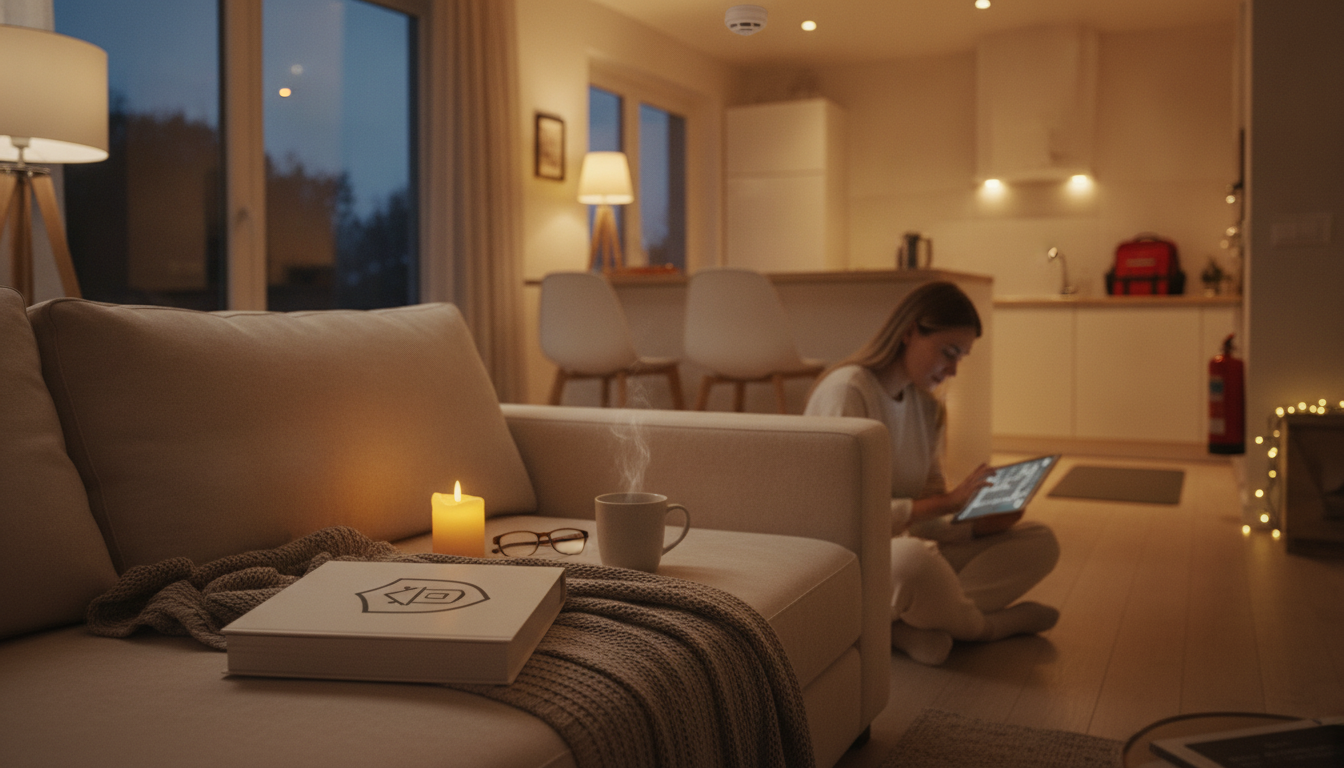
If it helps to have a consolidated reference for quick, room-by-room tasks, keep Safe and Sound at Home: A Comprehensive Guide to Home Safety Basics in an easy-to-grab spot. Use it to track what you updated, assign small jobs, and build a routine the whole household can follow.
FAQ
How often should smoke and carbon monoxide alarms be tested?
Test smoke and carbon monoxide alarms monthly. Replace batteries and the units themselves according to the manufacturer’s guidance, and always check the expiration date printed on the alarm.
What are the most common home safety risks to fix first?
Start with working smoke/CO alarms, clear exits, and an escape plan. Next, address fall hazards on stairs and in bathrooms, then improve safe storage for medicines, chemicals, and tools.
What should be in a basic home emergency kit?
Include a flashlight, extra batteries, a phone charger or power bank, basic first aid supplies, water, and shelf-stable food. Add a written contact list and any essentials for kids, pets, or medical needs.
Recommended for you





Leave a comment