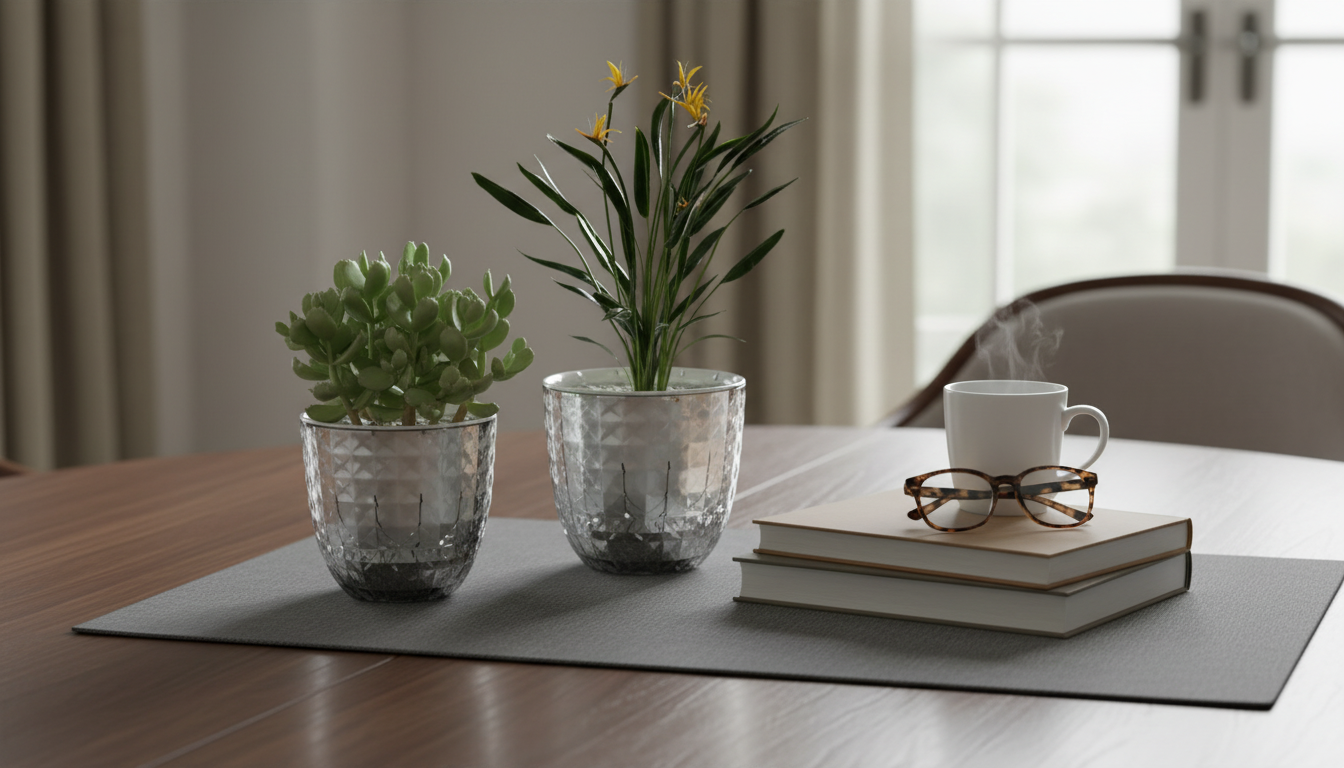
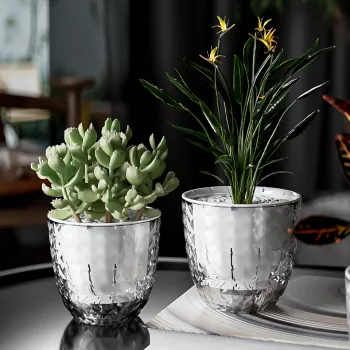
A decorative self-watering flowerpot with a cotton rope wick helps keep soil evenly moist while reducing daily watering. It’s designed for busy schedules, small indoor plants, and cleaner plant corners by feeding water gradually from a reservoir to the root zone. Instead of guessing when the top inch looks dry, the pot’s wicking system supplies moisture as the mix needs it—making routines simpler and helping many houseplants avoid the stress of repeated “too dry/too wet” cycles.
This style of planter pairs a decorative pot with a cotton rope wick that draws water upward as the soil dries. The result is a steadier moisture level that many popular indoor plants prefer.
If watering tends to happen “when you remember,” a self-watering setup can be a practical upgrade—especially for foliage plants that like even moisture.
The core idea is wicking: cotton fibers pull water upward from the reservoir through capillary action. Think of it as a slow, steady water delivery method that responds to the soil’s dryness rather than a timer.
For additional guidance on watering fundamentals (and why overwatering is often about oxygen, not just water), see University of Minnesota Extension — Watering Houseplants and Penn State Extension — Houseplants: Proper Watering.
A self-watering pot is at its best when the wick is “primed” and the potting mix stays airy. A few small setup steps make a big difference in consistent performance.
After the first week or two, you’ll usually find a refill rhythm that matches your light level and indoor climate.
Self-watering pots shine with plants that like steady moisture, especially in warm rooms or bright windows where mixes dry faster than expected.
| Plant type | Typical preference | Self-watering fit | Notes for success |
|---|---|---|---|
| Tropical foliage (pothos, philodendron) | Evenly moist to slightly dry | High | Use airy indoor mix; let reservoir level drop slightly between refills. |
| Moisture lovers (peace lily, fittonia) | Consistently moist | High | Refill more regularly; avoid compacted soil. |
| Herbs (basil, mint) | Even moisture, bright light | Medium–High | Increase light and airflow; don’t let water stagnate for long periods. |
| Succulents/cacti | Dry cycles | Low–Medium | Only with gritty mix; keep reservoir low and allow longer dry intervals. |
How often you refill depends on light, temperature, airflow, plant size, and how thirsty the plant is. Start by checking the reservoir every few days; once you learn the pace, refills become quick and predictable.
Most setups land somewhere between every few days and about once a week, depending on light, heat, airflow, and plant size. Check frequently for the first 1–2 weeks, then adjust based on how fast the reservoir level drops.
Cotton can break down over time, especially if it stays constantly wet. Rinse it occasionally during refills, and replace the rope if it develops odor, heavy discoloration, or stops wicking reliably.
Yes, but with caution: use a very gritty mix, keep only a minimal amount of water in the reservoir, and allow longer dry intervals. For most homes, this style is easier and more forgiving with tropical foliage plants that prefer steadier moisture.




Leave a comment