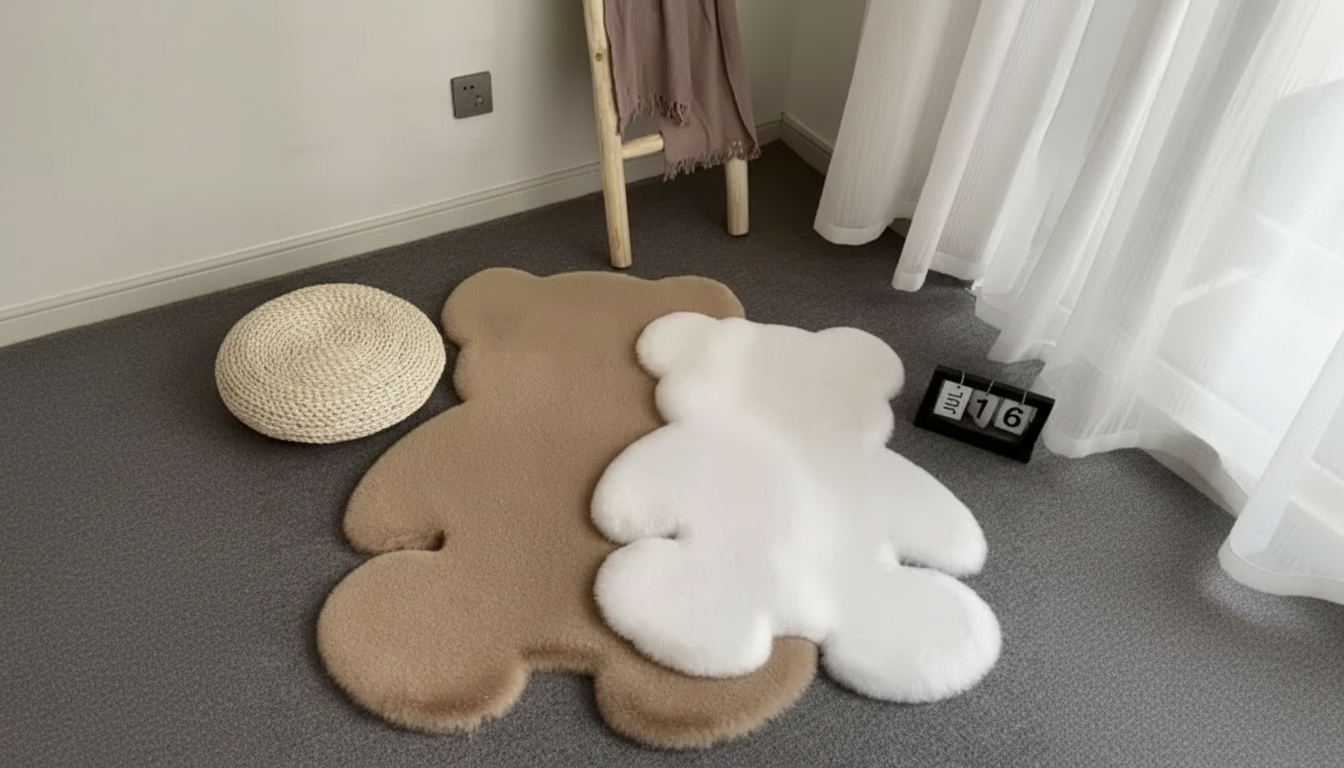
A well-chosen rug can soften falls, define a play zone, and pull a child’s room together without complicating cleanup. The best options feel good under little feet, stay put during busy play, and hold up to spills, crumbs, and constant traffic. Below are practical tips on materials, pile heights, sizing, safety details, and simple care routines that help a rug stay comfortable and functional as kids grow.
A rug in a child’s room does more than decorate. It can make everyday routines calmer and playtime more comfortable.
Material impacts softness, durability, and how stressful cleanup feels. Match the rug’s surface to how the room is actually used (lounging, crafts, block towers, snack breaks, or all of the above).
If you’re prioritizing fewer worries, look for a rug that balances softness with practicality, then pair it with a quality pad for extra cushion rather than choosing the thickest pile available.
Pile height changes how the room functions—especially for rolling toys, building sets, and quick cleanups.
For active playrooms, low-to-medium pile with a tight weave usually delivers the best mix of comfort, safety, and maintenance.
Rug sizing is what makes a room feel “finished” rather than randomly decorated. Before ordering, map the rug with painter’s tape so you can see how doors swing, where drawers open, and where kids naturally sit to play.
| Room/Area | Suggested Rug Size Range | Placement Tip |
|---|---|---|
| Crib or toddler bed area | 3′ x 5′ to 4′ x 6′ | Center the rug so the front half of the bed sits on it |
| Twin bed room | 5′ x 7′ to 6′ x 9′ | Position to cover bedside landing and part of the bed footprint |
| Reading nook | 4′ round or 4′ x 4′ | Fit chair + small shelf; keep edges clear of door paths |
| Play corner | 4′ x 6′ to 5′ x 8′ | Leave 6–12 inches from walls for cleaner lines and less edge wear |
| Shared room zones | Two 3′ x 5′ rugs or one 6′ x 9′ | Use separate rugs to define each child’s space |
For additional safety guidance, review the Consumer Product Safety Commission’s home safety information on carpets and rugs. For indoor air considerations, the EPA’s indoor air quality resources can help you understand VOCs and ways to reduce exposure.
If responsible sourcing matters in your home, learn about rug labeling and production standards through GoodWeave.
Low to medium pile is usually the easiest for play: it supports rolling toys and building blocks while still feeling comfortable. Low pile is also simpler to vacuum and can be a good choice if allergies are a concern.
On hardwood, tile, or laminate, a non-slip pad helps prevent sliding and reduces edge curl that can lead to trips. If a rug has a truly grippy backing it may be enough, but a pad often adds extra cushioning and stability.
Blot spills right away, then clean with a mild soap-and-water solution and blot again with clean water to rinse. Let it dry fully, and always test any cleaner on a hidden spot first or follow the care label if the rug is washable.





Leave a comment